
Natural Law vs Statutory Law: Differences, Examples & How It Works


Key Takeaways
- Natural law is based on inherent moral principles believed to be universal across all societies, while statutory law consists of written rules enacted by legislative bodies.
- The U.S. Declaration of Independence draws heavily from natural law principles, demonstrating how these concepts have shaped modern legal frameworks.
- Statutory laws can be changed through legislative processes, while natural law is considered immutable and discoverable through human reason.
- When natural and statutory laws conflict, judges often face complex decisions that balance written codes against fundamental principles of justice.
- At The Freedom People, our legal education resources provide crucial context for understanding how these competing legal frameworks affect your rights.
The Clash Between Nature & Legislature: Understanding Legal Frameworks
Legal systems worldwide rest upon two fundamental pillars: natural law and statutory law. These frameworks represent contrasting approaches to establishing order, resolving disputes, and protecting rights. While one claims universal moral authority beyond human invention, the other emphasizes democratic consensus and written precision.
Natural law asserts that certain rights and principles exist independently of human creation and are discoverable through reason and inherent to our existence. Statutory law, meanwhile, encompasses the codified rules established by legislative bodies, reflecting the specific needs and values of particular societies. The differences between these systems create one of the most fascinating and consequential dynamics in legal philosophy.
| The Freedom People: Reclaim Your Freedom Through Education & Structure Empowering Families & Individuals | 5★ Google Rating  Operate by Design, Not by Default: Learn how to navigate legal, financial, and administrative systems with intention—not ignorance. Understand natural law vs. statutory law, private vs. public operation, and sound money strategies. Protect your assets, identity, and decision-making through education, not evasion. What You’ll Discover: ✓ Trust structures and asset governance strategies ✓ Bitcoin and alternative payment systems for long-term wealth ✓ Status and standing clarification to reduce regulatory exposure ✓ Private domain operation while engaging public systems strategically Your freedom requires responsibility and structure. Start building both today. Book Your FREE Consultation → |
What is Natural Law?

Core Philosophical Foundations From Aristotle to Aquinas
The conceptual roots of natural law can be traced back to ancient Greek philosophers, with Aristotle distinguishing between what is “just by nature” and what is “just by law.” This distinction acknowledges that legislative enactments don’t always align with deeper moral principles. The Stoics further developed these ideas, systemizing the concept of natural justice that transcends cultural boundaries.
Key Principles That Define Natural Law
Natural law rests on several foundational principles that distinguish it from other legal frameworks. First, it claims universality, asserting that core moral truths apply equally across all cultures and time periods. Second, it maintains that these principles are discoverable through rational thought rather than religious revelation or political authority.
Third, natural law theory holds that unjust statutory laws (those contradicting natural principles) lack moral authority and legitimate force. Finally, natural law emphasizes that certain rights exist prior to and independent of government recognition.
How Natural Law Claims Universal Application
Unlike culturally specific legal systems, natural law claims to transcend geographical and temporal boundaries. This universality stems from its connection to human nature itself—the idea that certain principles reflect our shared moral intuition and rational capacity. Proponents argue that prohibitions against murder, theft, and arbitrary violence represent moral truths recognized across diverse societies throughout history.
What is Statutory Law?
Legislative Process: How Statutes Come Into Existence
The creation of statutory law follows distinct procedures that vary by jurisdiction but generally include proposal, deliberation, voting, and executive approval.
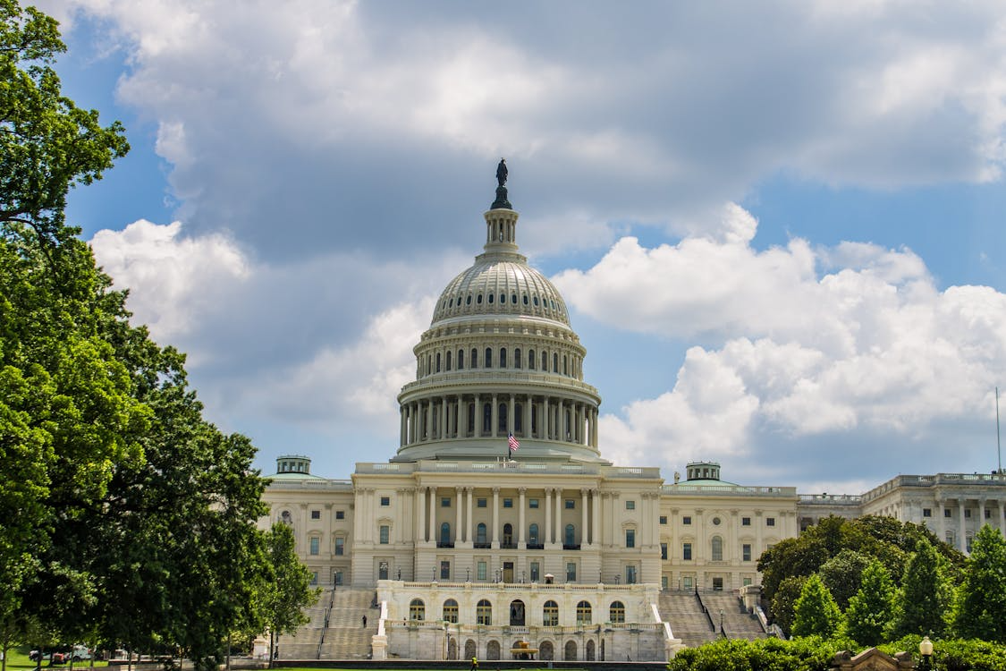
In the United States, federal statutes originate as bills introduced in Congress, where they undergo committee review, floor debates, and potential amendments before being passed. After approval by both chambers, legislation requires a presidential signature (or a congressional override of a veto) to become law.
Jurisdiction & Enforcement Mechanisms
Statutory laws have specific jurisdictional boundaries that determine where and to whom they apply. Federal statutes govern matters of national concern and operate across state lines, while state and local laws address issues within their territorial limits.
Enforcement of statutory law relies on established governmental structures, such as police forces, regulatory agencies, and court systems that interpret and apply written rules.
The Role of Courts in Interpreting Statutes
While legislators create statutory law, courts play a crucial role in determining how these written rules apply to specific cases. Judicial interpretation resolves ambiguities, addresses unforeseen circumstances, and ensures compliance with the Constitution. Courts employ various interpretive methods to determine how laws should function in practice.
5 Critical Differences Between Natural & Statutory Law
1. Source of Authority
Natural law derives its authority from principles considered inherent to human existence and moral reasoning. Proponents argue that these principles exist independently of human recognition or codification—they represent universal truths discoverable through rational thought, rather than through political processes.
Statutory law, by contrast, gains legitimacy through democratic processes and constitutional frameworks. Its authority stems from the consent of the governed expressed through representative institutions.
2. Scope of Application
Natural law claims universal application across all human societies regardless of cultural context or historical period. Its principles are supposedly universal and transcend political boundaries, applying to all persons by virtue of their humanity.
Statutory law, however, operates within defined jurisdictional limits, applying only to specified territories and populations as determined by sovereign authority.
3. Flexibility & Evolution
Natural law claims relative immutability. While interpretations may evolve, the core principles themselves are considered unchanging—reflecting fundamental aspects of human nature rather than cultural preferences.
Statutory law, conversely, demonstrates remarkable adaptability, changing through formal amendment processes as societal needs evolve. Legislatures can revise, repeal, or replace statutes to address emerging challenges or shifting social values.
4. Enforcement Methods
Natural Law relies on internal enforcement through moral obligation and personal conscience, compelling individuals to act justly without external coercion. Unlike formal systems, it manifests as an innate sense of right and wrong, guiding ethical behavior through self-reflection and societal virtue rather than imposed penalties.
Statutory law establishes clear enforcement mechanisms through governmental institutions specifically designed for this purpose. Police forces, regulatory agencies, and court systems implement statutory requirements through defined procedures, imposing sanctions ranging from fines to imprisonment.
5. Cultural & Geographical Variations
While natural law claims universality, statutory systems demonstrate remarkable diversity across jurisdictions. Civil law countries, such as France and Germany, rely heavily on comprehensive codes, while common law nations, including the United States and the United Kingdom, blend statutory directives with case law precedents.
These variations reflect different historical experiences, cultural values, and philosophical approaches to governance, illustrating how statutory law, unlike natural law’s universalist claims, adapts to particular societal contexts.
When Natural & Statutory Laws Collide: Real-World Examples

The Declaration of Independence: Natural Rights in Legal Documents
The American Declaration of Independence represents perhaps the most influential invocation of natural law principles in opposition to statutory authority. When Thomas Jefferson wrote that “all men are created equal” with “unalienable rights,” including “Life, Liberty, and the pursuit of Happiness,” he explicitly grounded American independence in natural law concepts.
The document directly challenges the authority of positive law when it violates these natural rights, declaring that governments derive “their just powers from the consent of the governed” and can be rightfully dissolved when they become destructive of natural rights.
Civil Disobedience Cases: Moral Law vs. State Law
Civil rights movements throughout history have often operated at the intersection of natural and statutory law. When Rosa Parks refused to surrender her bus seat in violation of Montgomery’s segregation ordinance, she challenged the legitimacy of statutory law through an implicit appeal to natural justice principles.
Similarly, Martin Luther King Jr. explicitly invoked natural law concepts in his “Letter from Birmingham Jail,” distinguishing between just and unjust laws based on their alignment with moral law and human dignity.
More recent examples include conscientious objectors who refuse military service despite statutory requirements, environmental activists who violate property laws to prevent ecological damage, and healthcare providers who challenge abortion restrictions based on their understanding of natural rights.
Natural Law vs Statutory Law: Comparison Table
| Feature | Natural Law | Statutory Law |
| Source | Reason, human nature, moral principles | Legislative bodies, democratic processes |
| Changeability | Immutable, discovered not created | Can be amended, repealed, or replaced |
| Application | Universal across all societies | Limited to specific jurisdictions |
| Enforcement | Moral obligation, conscience | Courts, police, and regulatory agencies |
| Interpretation | Through philosophical reasoning | Through judicial analysis and precedent |
Reclaim Your Freedom Through Knowledge
The tension between natural and statutory law isn’t merely theoretical; it directly impacts your rights and responsibilities as a citizen. When you understand both frameworks, you become better equipped to navigate legal challenges, evaluate proposed legislation, and advocate effectively for your interests.
At The Freedom People, we believe that true freedom begins with knowledge. When you understand the systems that govern everyday life, you can engage with them intentionally rather than navigating blindly.
One of the foundational concepts we teach is the difference between natural law and statutory law. These two frameworks operate on fundamentally different principles, yet most people are never taught to distinguish between them.
Understanding this distinction and its application to your rights, obligations, and interactions with institutions can transform the way you approach everything from contracts to commerce. As such, we are dedicated to helping you see the full picture, enabling you to make informed decisions rather than relying on assumptions.
At The Freedom People, we focus on empowering you with the tools and understanding to operate within public systems on your own terms. We provide foundational education on how these systems operate, along with resources that explain legal identity, business interfaces, and more.
Whether you’re just beginning to explore these concepts or looking to deepen your understanding, we provide the guidance and resources to help you reclaim your freedom through education.
Book a FREE consultation with us today!
Frequently Asked Questions (FAQs)
Is natural law legally binding in modern court systems?
Natural law rarely serves as an independent basis for judicial decisions in contemporary legal systems. Courts generally rely on constitutions, statutes, and precedents rather than direct appeals to natural law principles. However, these principles often influence how judges interpret ambiguous statutory language or resolve novel legal questions.
Can statutory laws override natural law principles?
In practical terms, statutory law typically prevails when it directly conflicts with natural law principles in conventional legal proceedings. Courts generally enforce validly enacted statutes regardless of their alignment with abstract moral principles. However, some mechanisms may allow natural law considerations to influence or limit the application of statutory law.
How do I identify natural law arguments in judicial opinions?
Natural law reasoning often appears in judicial opinions without being explicitly identified. Look for references to “fundamental principles” or “inherent rights,” or to concepts such as human dignity and autonomy that transcend specific constitutional or statutory provisions.
What role does natural law play in international human rights law?
International human rights law represents perhaps the clearest modern expression of natural law thinking in formal legal structures.
The Universal Declaration of Human Rights and subsequent human rights conventions articulate rights claims that explicitly transcend national boundaries and cultural variations—effectively asserting universal principles that apply to all persons by virtue of their humanity. This universalist stance directly reflects natural law’s claim that certain moral principles exist independent of cultural or political recognition.
How can The Freedom People help me understand the differences in legal frameworks?
At The Freedom People, we provide comprehensive educational resources that clarify the complex relationship between natural and statutory law frameworks. Our materials translate abstract legal theory into practical knowledge that empowers you to navigate real-world legal challenges more effectively.
Through accessible explanations, case studies, and interactive learning tools, we help you develop a nuanced understanding of how these competing frameworks shape your rights and responsibilities.





You must be logged in to post a comment.