


Non-Citizen National of the United States: Meaning, Benefits & How to Become One

Key Takeaways
- Non-citizen nationals owe permanent allegiance to the U.S. but lack full citizenship rights, such as voting in federal elections.
- This designation applies almost exclusively to people born in American Samoa or Swains Island per the Immigration and Nationality Act.
- Benefits include the right to live and work anywhere in the U.S. without a visa or green card.
- Holders carry U.S. passports with specific endorsements and can pursue full citizenship through a streamlined naturalization process.
- The Freedom People offers educational resources and status clarification to help individuals understand and manage their legal and financial standing.
A Distinct Category Within U.S. Nationality Law
A non-citizen U.S. national is a person who owes permanent allegiance to the United States but does not possess the full legal rights of citizenship, such as the right to vote in federal elections or hold certain public offices. Under Section 308 of the Immigration and Nationality Act, this status applies almost exclusively to individuals born in American Samoa or on Swains Island. While they are not citizens, these nationals carry U.S. passports and have the right to live and work anywhere in the United States without a visa or green card.
Unlike residents of other U.S. territories like Puerto Rico or Guam, who are granted citizenship at birth, non-citizen nationals maintain a unique legal standing rooted in the early 20th-century Supreme Court “Insular Cases.” This designation provides a streamlined pathway to full citizenship, requiring only three months of residency in a U.S. state to apply for naturalization. Understanding this distinction helps individuals manage the specific legal, travel, and administrative frameworks governing this unique status.
| The Freedom People: Reclaim Your Freedom Through Education & Structure Empowering Families & Individuals | 5★ Google Rating  Operate by Design, Not by Default: Learn how to navigate legal, financial, and administrative systems with intention—not ignorance. Understand natural law vs. statutory law, private vs. public operation, and sound money strategies. Protect your assets, identity, and decision-making through education, not evasion. What You’ll Discover: ✓ Trust structures and asset governance strategies ✓ Bitcoin and alternative payment systems for long-term wealth ✓ Status and standing clarification to reduce regulatory exposure ✓ Private domain operation while engaging public systems strategically Your freedom requires responsibility and structure. Start building both today. Book Your FREE Consultation → |
What Is a Non-Citizen National of the United States?
A non-citizen national of the United States is a person who owes permanent allegiance to the country but is not classified as a U.S. citizen under statutory law. This designation is defined under Section 308 of the Immigration and Nationality Act (INA), which outlines who qualifies as a national but not a citizen.
In practical terms, this status applies almost exclusively to individuals born in American Samoa or Swains Island, both of which are unincorporated U.S. territories. Unlike residents of other territories such as Puerto Rico, Guam, or the U.S. Virgin Islands, where individuals are granted U.S. citizenship at birth, those born in American Samoa are designated as non-citizen nationals. The legal reasoning behind this distinction is rooted in the Insular Cases, a series of early 20th-century Supreme Court decisions that determined how constitutional provisions apply to U.S. territories.
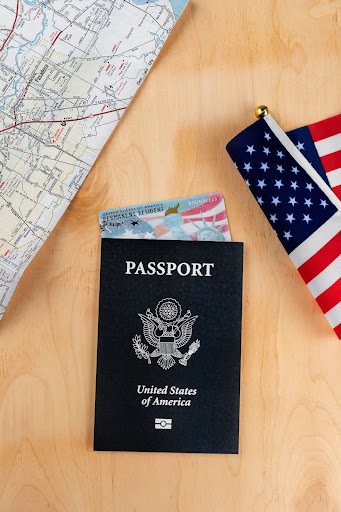
Non-citizen nationals hold U.S. passports, but their passports include a specific endorsement that reads: “The bearer is a United States national and not a United States citizen.” This endorsement distinguishes them at border crossings and in legal proceedings, reinforcing that their status differs from that of full citizenship, even though they maintain a permanent bond of allegiance to the United States.

Non-Citizen National vs. U.S. Citizen: Key Differences
While both U.S. citizens and non-citizen nationals owe allegiance to the United States, several important distinctions separate the two. U.S. citizens possess the right to vote in all federal, state, and local elections. Non-citizen nationals cannot vote in federal elections, though they may participate in certain local elections depending on the jurisdiction where they reside.
Both groups can live and work anywhere in the United States without immigration restrictions. Both are eligible for U.S. passports. However, the passport endorsement for non-citizen nationals explicitly notes their non-citizen status, which can affect travel to certain countries that distinguish between nationals and citizens during entry processing.
From a tax perspective, non-citizen nationals living in the United States are generally subject to the same federal income tax obligations as U.S. citizens. They can also serve in the U.S. military and access many federal benefits. The primary difference lies in political participation (specifically federal voting rights) and certain government positions that require full U.S. citizenship.
Finally, non-citizen nationals can apply for U.S. citizenship through naturalization, whereas U.S. citizens already hold that designation. This means the non-citizen national designation is not necessarily permanent; it can serve as a pathway toward full citizenship for those who choose that route.
Benefits of Non-Citizen National Status
Non-citizen national status provides several meaningful advantages. First, it grants unrestricted access to live and work in any U.S. state or territory without requiring a visa, green card, or work authorization. This is a significant benefit compared to foreign nationals, who must go through complex immigration processes to achieve similar access.
Second, non-citizen nationals carry U.S. passports, which provide international travel privileges associated with U.S. nationality. While the passport endorsement creates a technical distinction, the travel protections and consular services available to non-citizen nationals abroad mirror those available to citizens. Third, non-citizen nationals can join the U.S. armed forces and access veterans’ benefits upon service completion, and are eligible for certain federal programs and protections under U.S. law.
Perhaps the most significant long-term benefit is the streamlined naturalization pathway. Non-citizen nationals who establish residency in a U.S. state can apply for citizenship through a naturalization process that is generally more accessible than the path available to foreign nationals. This means the status functions as both a standing legal designation and a bridge toward full citizenship for those who pursue it.

How Do You Become a Non-Citizen National?
The most common pathway to non-citizen national status is through birth in American Samoa or Swains Island. Individuals born in these territories automatically receive this designation under the INA. Children born abroad to non-citizen national parents may also acquire the status, provided certain conditions regarding the parents’ physical presence in U.S. territory are met.
For individuals not born in these territories, the pathways are extremely limited. U.S. law does not provide a general application process for non-citizen national status, unlike naturalization for citizenship. The designation is tied specifically to territorial birth or parentage, making it distinct from other immigration categories that involve petitions or sponsorship.
Non-citizen nationals who wish to become U.S. citizens must go through the naturalization process. This requires establishing residency in a U.S. state, meeting continuous physical presence requirements, demonstrating good moral character, and passing the standard civics and English language examinations. Applicants must reside in a specific state or district for at least three months before filing. Additionally, they must maintain continuous residence within the United States—including time spent in American Samoa or Swains Island—typically for five years.
Common Misconceptions About Non-Citizen National Status
A persistent misconception is that non-citizen nationals are identical to permanent residents or green card holders. Permanent residents are foreign nationals who have been granted authorization to live in the U.S. indefinitely but do not owe the same allegiance as nationals. Non-citizen nationals hold a fundamentally different legal relationship with the United States, one based on allegiance rather than immigration authorization.
Another misconception is that non-citizen national status provides no meaningful advantages over other immigration categories. As outlined above, the status grants unrestricted work authorization, passport privileges, eligibility for military service, and a more direct pathway to citizenship. These benefits exceed those offered by most visa and residency categories.
Some also confuse non-citizen national status with statelessness. Non-citizen nationals are not stateless. They hold a recognized nationality under both U.S. and international law, and they are entitled to the protections that come with that nationality. Clarifying these distinctions helps anyone managing the intersection of nationality, citizenship, and administrative classification.
How The Freedom People Helps You Understand Your Legal Standing

Understanding unique legal classifications like non-citizen national status is the first step toward managing your rights and obligations with clarity. The Freedom People provides specialized education to help individuals and families distinguish between natural law and statutory frameworks. This knowledge allows for a more informed approach to legal, financial, and administrative decisions.
Our programs focus on trust structures, asset governance, and alternative payment systems to help you protect your interests. We help you manage public systems with intent by focusing on personal responsibility and proper structure. Schedule a consultation today to learn how to manage your standing and build a secure foundation for the future.
Book a FREE consultation with us today!
Frequently Asked Questions (FAQs)
Can a non-citizen national vote in U.S. elections?
No. Non-citizen nationals cannot vote in federal elections. Some local jurisdictions may permit participation in certain local elections, but federal voting rights are reserved exclusively for U.S. citizens.
Do non-citizen nationals pay federal income taxes?
Yes. Non-citizen nationals residing in the United States are generally subject to the same federal income tax obligations as U.S. citizens, including filing requirements and applicable deductions.
Can a non-citizen national become a full U.S. citizen?
Yes. Non-citizen nationals can apply for U.S. citizenship through the naturalization process, which requires meeting the federal law-established residency, language, and civics examination requirements.
Is a non-citizen national status the same as having a green card?
No. Green card holders are foreign nationals with permanent residency authorization. Non-citizen nationals hold a nationality-based allegiance to the U.S. and carry a U.S. passport, which constitute fundamentally different legal classifications.
How does The Freedom People help clarify status?
At The Freedom People, we provide education on how legal designations like citizenship, nationality, and residency affect your rights and obligations. Our programs cover standing clarification, trust structures, and private-domain operations to help you engage systems with intention.
*Disclaimer: This article is for educational purposes only and is not intended as legal, financial, or tax advice. Always consult qualified legal or financial professionals for guidance. For details about our educational services, visit The Freedom People Services.






You must be logged in to post a comment.